
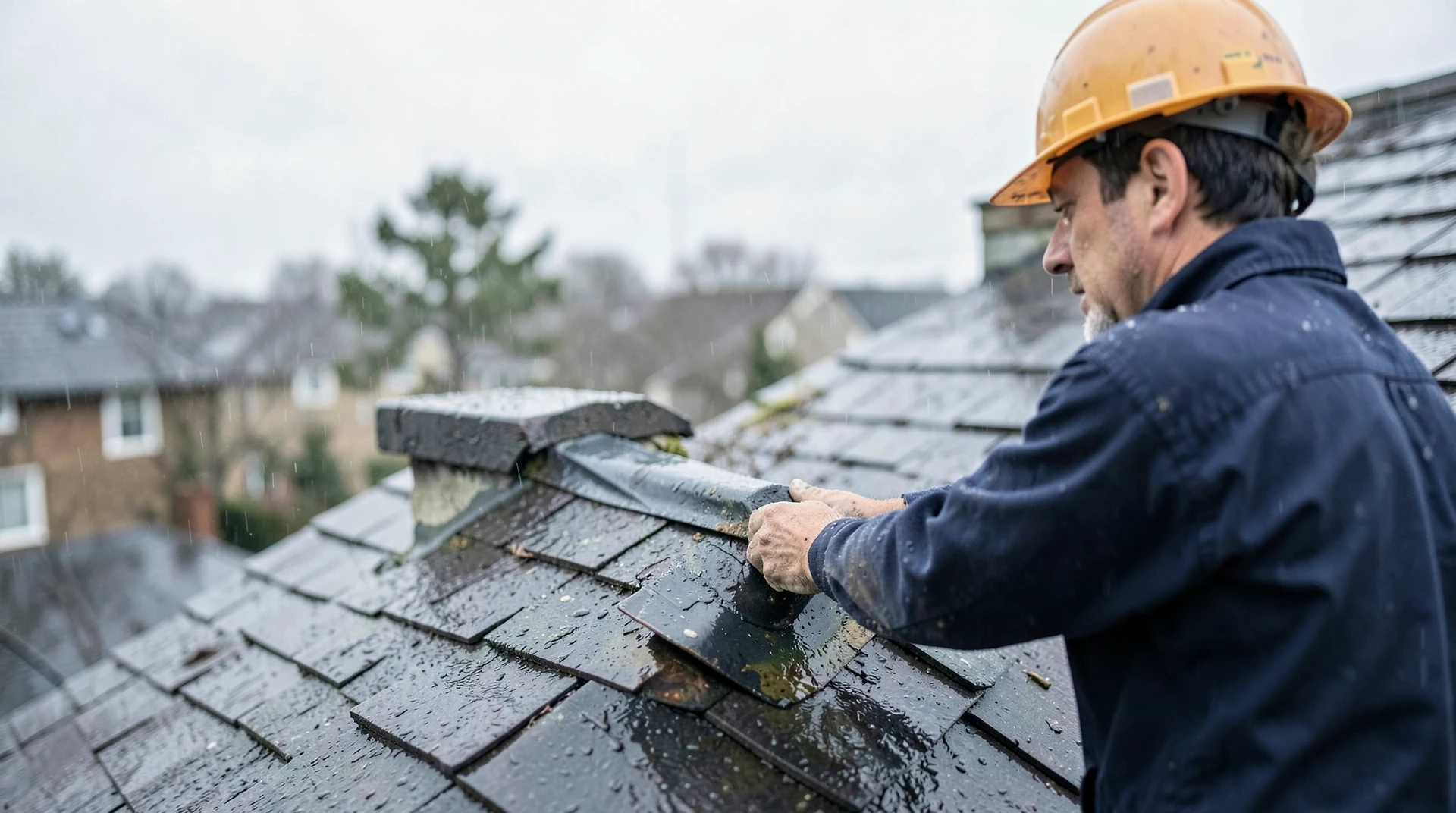
Handling an Immediate Fix for Flashing Failure During Heavy Rain
When the sky opens up over Pleasant Grove, TX, it’s natural to feel a sense of dread when you spot that first tell-tale sign: a stain spreading across your ceiling or damp spots appearing near a chimney. The phrase "immediate fix for flashing failure during heavy rain" carries an urgent weight because people understandably panic-they want the problem solved now. But here, we need you to breathe and listen closely. A small leak today is not just an annoyance; it’s a symptom of a deeper structural weakness that requires careful diagnosis, not just a quick patch job. As someone who has spent decades inspecting foundations and roof systems across DFW, I can tell you that understanding why the failure happened is far more important than merely stopping the drip. Your home deserves a reliable shield, one built to withstand Texas weather cycles.
Ask us about more about Roof Inspection – we handle it from start to finish.
That Stain Isn't Just Water: Understanding Flashing and Structural Risk
To talk about fixing flashing failure, we first have to understand what this material actually does. Many homeowners think of flashing-the strips of metal or material around chimneys, vents, and transitions-as just an afterthought, a piece of trim. Nothing could be further from the truth. Flashing is not merely decorative; it is a critical, interlocking barrier that acts as the roof's last line of defense against water penetration at the most vulnerable points. Think of your house structure as having many seams and joints-every single one of these requires specialized flashing to redirect water away from the underlying materials.
Ask us about professional Roof Maintenance help – we handle it from start to finish.
The failure process itself is often invisible until significant damage has occurred. Flashing typically fails due to differential movement, which happens when different structural components (like a brick chimney or a wooden wall) expand and contract at different rates than the main roof structure, especially with the extreme temperature shifts common in our region. Age, settling ground, improper installation techniques, or neglect can all create micro-pathways for water entry that look perfectly sound to the untrained eye.
Ask us about Roof Replacement – we handle it from start to finish.
The immediate danger of these leaks is profound because water doesn't just drip and pool on the surface; it penetrates deep into structural voids beneath the roofing materials. This leads to rapid internal degradation-we are talking about compromised insulation, advanced mold growth that affects air quality, and even potential rot in load-bearing wood structures. The secondary issues arising from a flashing failure can include burst pipes due to freeze/thaw cycles or electrical damage, which quickly turn a simple leak into an incredibly expensive catastrophe. This knowledge is why we approach this as preventative maintenance: addressing the root cause of flashing failure before major storms hit is always fiscally responsible and far safer than reacting to the resulting water damage.
The Difference Between a Temporary Patch and a Permanent System Fix
When you are dealing with an active leak, especially during heavy rain, the natural instinct is survival-you want the crisis contained immediately. When searching for an immediate fix for flashing failure during heavy rain, many people resort to temporary measures like tarps or applying quick sealant patches. And while those actions are necessary for containment and can buy you precious time, it's vital that we differentiate between a temporary patch and a permanent system repair.
A quick patch applied in the moment is often nothing more than a sophisticated band-aid over a deeper structural weakness. It addresses the visible flow path but ignores the underlying systemic failure-the seam that has corroded or the movement joint that has pulled apart. The underlying material must be addressed professionally to ensure lasting integrity. Our diagnostic process starts with inspection, not repair. We will meticulously inspect all surrounding flashing elements-checking counter-flashing (which overlaps the main roof), step flashing (used at wall/roof transitions), and valley flashings-to determine if the failure point is isolated or systemic across multiple joints.
Furthermore, safety must always be the absolute priority when a leak is active. If you are waiting for us to arrive, please prioritize your family's safety. Stay away from wet areas that could involve electrical hazards. For safe temporary measures, positioning buckets and managing water flow can help mitigate immediate damage until our professional team arrives to assess and secure the area properly.
Protecting Your Investment: Evaluating Full Roof Replacements vs. Targeted Repairs
Once the immediate crisis of a leak is contained, we must shift focus from the drip itself to the entire system that failed. This brings us to the inevitable question many homeowners face: when to replace a roof, and how does an active flashing failure factor into that decision?
A localized flashing problem can sometimes be fixed with surgical precision-a targeted repair of the compromised joint, using appropriate materials like copper or stainless steel. However, if the flashing failure is widespread, it often acts as a warning sign. It suggests that multiple components beneath the visible surface are nearing the end of their useful life. These deeper issues might include degraded underlayment, rusted fasteners, or framing elements that have simply reached their lifespan limit.
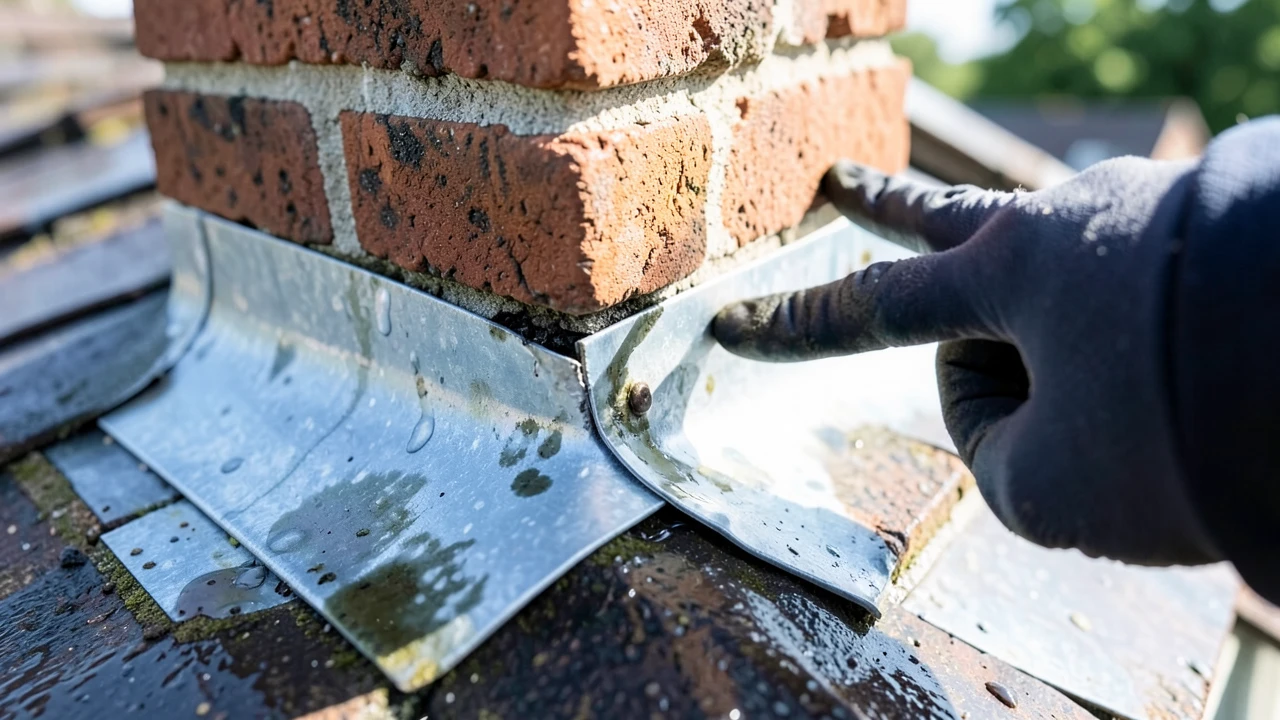
When considering the roof replacement cost, the goal is to determine if repeated patchwork-the quick fix after a storm, followed by another patch six months later-is fiscally responsible compared to a full system overhaul. An expert assessment determines if structural weakness in multiple areas means an entire system needs renewed integrity. For high-value homes in Pleasant Grove, considering longevity is key. Modern materials, whether it's premium asphalt shingles designed with better flashing integration or durable standing seam metal roofing, are engineered specifically to reduce the likelihood of these failure points across decades of intense Texas weather cycles.
It’s crucial to understand that if a full new roof installation is necessary, proper flashing is not an optional add-on repair; it is an intrinsic and non-negotiable part of the entire installation process. We build the shield from the ground up, ensuring every transition point-from vents to chimneys-is sealed correctly and permanently.
Beyond the Leak: Maximizing Your Home’s Defense Shield
The best defense against moisture damage isn't just finding a leak; it's adopting a mindset of proactive care. I always advise my clients that roof maintenance should be viewed as an investment in peace of mind, not simply an expense. Routine roof inspections-especially the kind we perform before the rainy season hits-are essential for identifying minor issues like curled shingles or developing rust spots before they escalate into major flashing failures.
When choosing a roofing system, understanding material function is paramount. For example, premium asphalt shingles offer excellent aesthetic appeal and cost efficiency, while metal roofing provides unparalleled longevity and superior defense against high winds and hail-a factor that has become increasingly important for properties in the greater Pleasant Grove area. We discuss these options based on your budget, local climate stressors, and desired curb appeal.
We also need to address hidden costs upfront to remove any anxiety about pricing. A comprehensive roofing project includes much more than just materials: it involves careful debris removal, proper disposal of old materials, and the meticulous re-securing of all flashing elements that might have been damaged during our initial access points. Our commitment is transparency; you will receive a crystal-clear estimate with no hidden fees or surprise charges down the line, ensuring we treat your property like our own-with respect for your time and budget.
Restoring Peace of Mind After a Storm or Leak
If you've been dealing with leak stains on the ceiling following heavy rain, please do not wait until the problem worsens; that is when structural damage can become irreversible. The most critical step after noticing any dampness anywhere in your home is calling an expert who specializes in rapid assessment and containment recommendations. We are here to help you understand the true scope of the issue and how quickly we can secure it.
A reliable local contractor, like us, will follow a clear process: First, assess the overall structural integrity of the area; second, accurately diagnose the flashing failure source-be it corrosion, movement, or installation error; and finally, present you with three clearly defined options that address both immediate safety needs and your long-term investment value. We don't just offer quick fixes; we build solutions designed to last decades.
As I always tell my neighbors in Pleasant Grove, a building’s roof is its first line of defense. Understanding these foundational weaknesses-the subtle signs that point toward flashing failure-is the key to preventing catastrophic failures down the road. We are not simply fixing strips of metal; we are securing your home’s foundation and restoring your peace of mind. When you need reliable, knowledgeable help with any leak or roof concern in Pleasant Grove, TX, trust the local experts who know this community and its unique challenges best. Call us today for a thorough inspection and let's get your shield reinforced.