

Emergency Roof Sealing for Immediate Flashing Leaks: Protecting Your Pleasant Grove Home
When the first drip hits your ceiling-a slow, steady plink-plink sound that seems to grow louder with every passing minute-the first thought is usually sheer panic. You look at the stain and immediately start running through worst-case scenarios: mold, rot, structural damage… It feels overwhelming. Please take a deep breath. While finding an active leak is certainly stressful, panicking won't solve the underlying problem, but understanding it will give you control.
Ask us about reliable Impact-Resistant Shingles – we handle it from start to finish.
At its core, your roof system-especially the metal flashing surrounding chimneys, vents, and wall penetrations-is designed to be the ultimate shield for your home. Flashing isn't just a strip of metal; it is critical infrastructure. It’s the carefully placed barrier that diverts water over or around structural points, ensuring that the main roof membrane remains dry. When this system fails, even if the leak seems small, you are facing more than just a wet patch on your drywall. You are dealing with a breach in your home's foundational defense system. This is where rapid expertise matters most, and understanding what constitutes an emergency roof sealing for immediate flashing leaks can save your property from costly, accelerated damage.
Ask us about Metal Roofing serving Pleasant Grove, TX – we handle it from start to finish.
Don't Panic: Understanding Why Flashing Leaks Are So Scary (And What to Look For)
It’s natural to feel anxious when you see that water stain spreading across your ceiling. That feeling of helplessness-that is the first thing we need to address. Our goal isn't just to patch a hole; it's to restore peace of mind and structural certainty.
Learn more about the team at Rock Line Roofing.
So, what exactly is flashing? Think of it as the metal 'curtain' or shield that goes under your shingles and wraps around every point where two different materials meet-a chimney stack meeting the roofline, or a vent passing through the decking. It’s designed to channel water away from vulnerable joints. Because these joints are by definition points of weakness, they require constant vigilance.
The danger of a flashing leak goes far beyond just the unsightly stain you see inside. Water, especially in our fluctuating Texas climate, is relentless and destructive. Beyond immediate cosmetic damage, a persistent small drip creates a perfect breeding ground for mold growth (a serious health concern) and allows water to penetrate wooden framing members, leading to irreversible rot. If that leak travels far enough down into the wall cavity, it can compromise electrical wiring or even plumbing lines, turning a simple roof issue into an expensive structural emergency.
To define a true roofing emergency: It is any active, visible drip or wet spot-no matter how minor-that indicates water is actively entering the structure and requires immediate containment. When you see that stain, don’t wait for it to get bigger; treat it as an urgent warning signal. This rapid response approach is what we specialize in.
The Hidden Danger Zones: Causes and Signs of Failing Flashing
If a leak has appeared, the first question every homeowner asks is, "Why did this happen?" While the visible stain points to the symptom (the leak), the cause often lies in deterioration, improper installation, or environmental stress. Understanding these root causes is crucial because it tells us what needs fixing-and if just patching will be enough.
Several factors can compromise flashing integrity over time. The most common culprits include:
- Deteriorated Sealants and Caulk: Over years of intense sun and rain cycles, the flexible caulking around metal joints cracks and washes away, creating tiny entry points for water that expand quickly when heavy rain hits.
- Metal Fatigue and Rust: Metal flashing (copper or galvanized steel) can rust at its edges, especially where it meets wood framing, allowing moisture to weep through microscopic gaps.
- Improper Installation/Shifting Foundations: Sometimes the leak isn't due to age but to how the roof was built initially, or perhaps localized foundation settling-a common occurrence in our diverse Texas soil composition.
As someone who has spent nearly two decades working my hands on every type of roof across DFW, I can tell you that flashing failure is rarely an isolated incident; it’s often a sign of underlying structural stress or simply the natural aging process of materials. It's asking for expert detection.
Here are the signs homeowners in Pleasant Grove should check for proactively:
- Visible Rust Streaks: Look at the metal joints around vents and chimneys. Are there reddish-brown streaks that seem to be weep-ing down? That’s rust eating away at your shield.
- Gaps and Misalignment: Check where dissimilar materials meet (e.g., flashing meeting siding, or a vent passing through roofing felt). Do you see obvious gaps larger than a dime?
- Minor Staining Near Roof Lines: Even if nothing is dripping yet, persistent discoloration along the roof edge can signal repeated moisture intrusion at a critical joint.
Ignoring these small warning signs-the tiny gap or the minor rust streak-is like ignoring a leaky faucet: eventually, that slow drip will erode something much more valuable and far harder to replace than just some sealant.
Immediate Action: The Process of Emergency Roof Sealing for Immediate Flashing Leaks
When water is actively entering your home, you need immediate intervention. This process requires speed, precision, and a complete understanding of moisture dynamics. Our service, emergency roof sealing for immediate flashing leaks, is designed to address the threat level in three distinct phases: temporary containment, structural repair, and long-term protection.
Phase 1: Initial Inspection and Leak Tracing.
We don't guess where the leak is; we trace it. Using specialized equipment and our experience with moisture pathways, we pinpoint the exact entry point-sometimes this means climbing up to inspect a joint that looks perfectly fine from the ground. This initial assessment tells us how severe the threat is and what materials are needed.
Phase 2: Temporary Mitigation.
This is the immediate 'stop the bleeding' step. We apply professional-grade, durable sealants or specialized flashing tape directly over the compromised area. This temporary measure immediately contains the leak, allowing you to dry out your home and preventing further structural damage while we prepare for the permanent fix.
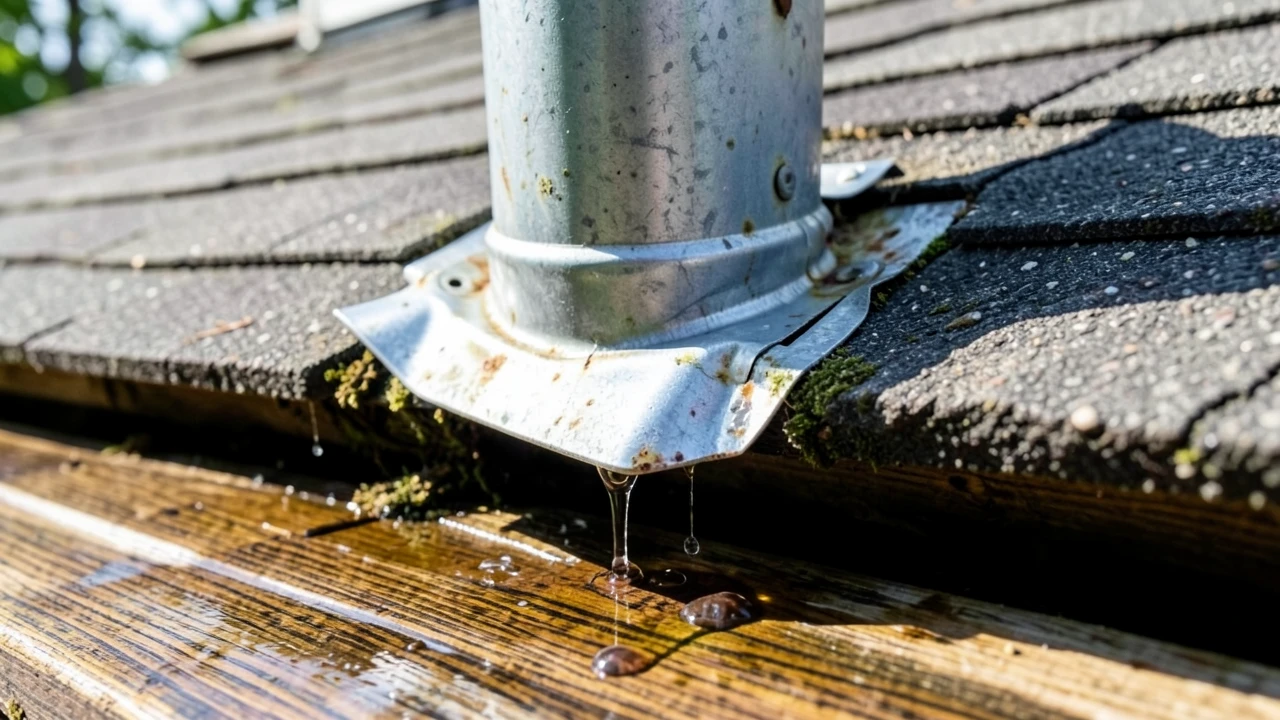
Phase 3: Permanent Structural Patching/Replacement.
Once the immediate drip is stopped, we move into the lasting repair. This involves replacing or reinforcing the compromised metal components entirely-be it a section of flashing, sealant over a vulnerable seam, or even re-attaching deteriorated caulking. We ensure the joint functions as a true water curtain for decades to come.
We understand that when you call us in an emergency, your mind is preoccupied with cost and timing. Let me address those concerns upfront: The emergency roof sealing for immediate flashing leaks procedure addresses the immediate life-safety threat first. However, before we begin any work, we provide a crystal-clear estimate of the full scope-the patch plus any necessary structural support that must be addressed to ensure longevity. There are no hidden fees or surprise charges down the line; you know exactly what you are investing in.
Furthermore, we treat your property with the utmost respect. We guarantee immediate debris removal and site protection measures to minimize mess for your busy family and maintain the integrity of your yard and surrounding structures at 229 Greenhaven Dr, Pleasant Grove, TX 75217.
Beyond the Patch: Knowing When a Flashing Leak Points to Full Roof Replacement
While an emergency repair of flashing leaks is often the perfect fix, it's crucial to understand that this temporary patch might just be addressing the symptom, not the disease. A flashing leak can be the single indicator pointing toward larger systemic issues with your roof structure.
We always operate under the principle that a building's roof is its first line of defense. If the underlying roof decking (the wood sheathing) has been compromised by moisture over time, or if there are multiple flashing failures across the same section indicating widespread material fatigue, a simple patch will not solve the core problem.
So, how do you know when it’s time to pivot from a targeted repair to a full roof replacement cost Pleasant Grove TX consideration? Here is our professional checklist:
- If Rot Has Reached the Sheathing: If water has caused the underlying wood decking to become soft or spongy, that material must be replaced before any new flashing can be installed.
- Systemic Failure: If you find multiple, widely separated flashing failures, it suggests a common issue with the entire roof's age or installation method, making a full tear-off and replacement more cost-effective and durable in the long run.
- Underlying Material Degradation: If the primary roofing material (shingles, metal) is curled, cracked, or severely compromised across large sections, the entire system needs renewal.
Understanding this lifecycle value helps homeowners budget not just for today's leak fix, but for decades of peace of mind. We provide advice on everything from impact-resistant shingles to premium metal roofing options, ensuring the materials we recommend can truly withstand the severe hail and heat cycles typical of North Texas weather.
Protecting Your Investment: Proactive Roof Health in Pleasant Grove, TX
Roof care should never be viewed solely as an expense; it is a proactive form of insurance for your property value and your family's peace of mind. The best defense against catastrophic failure is vigilance.
As you live through the intense weather cycles here in Pleasant Grove, remember that small details matter greatly. Here are a few actionable tips to keep your roof shield performing optimally:
- Clear Drainage Paths: Ensure gutters are clear and draining away from the flashing joints. Blocked drainage forces water back up against vulnerable metal areas.
- Post-Storm Inspection: After any major storm, even if you don't see a leak immediately, walk around your property (safely!) and look for signs of displaced materials or new visible gaps near vents.
- Maintain Visible Drainage Points: Periodically check the ground around flashing joints to ensure water is draining away from the foundation, not pooling against it.
Ultimately, catching minor issues now prevents massive, costly failures later. Dealing with an emergency roof sealing for immediate flashing leaks is always better than dealing with structural rot caused by months of unchecked dripping.
If you've seen a stain, or if you simply feel uneasy about the age of your home's roofing system, don’t wait until the next major storm hits. We recommend scheduling a no-obligation inspection with our local Pleasant Grove experts at +1 469-589-3827. We will give you an honest assessment-whether it's a simple sealant touch-up or if it's time to discuss your new roof installation process entirely. Let us help you build that reliability back into your home, one shielded joint at a time.