
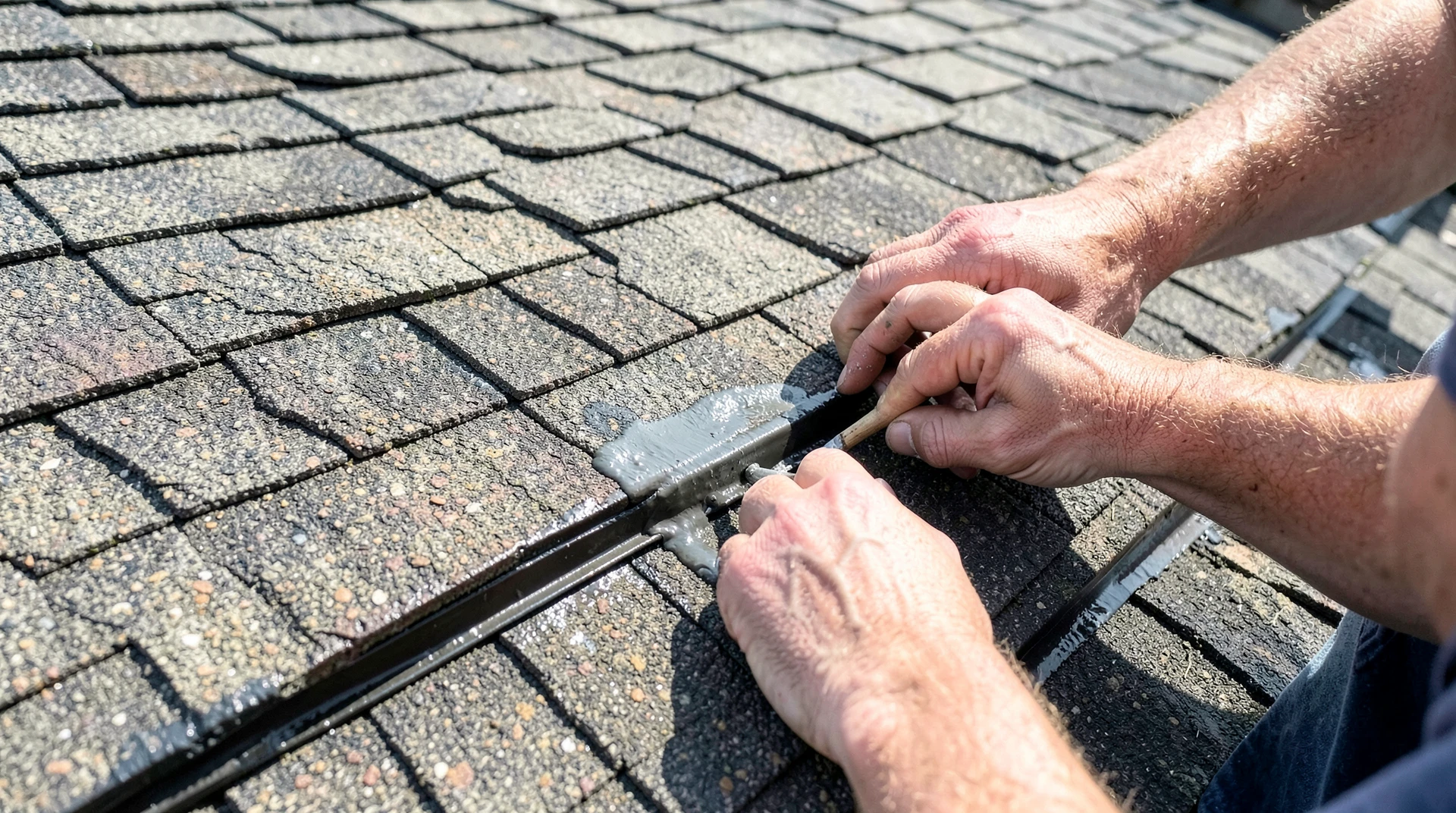
When you look at your home's beautiful roofline in Pleasant Grove, TX, it looks like a seamless shield against the elements. But beneath the shingles and metals is an intricate network of joints-the flashing points around chimneys, vents, and transitions. These seemingly small meeting spots are, paradoxically, often where water finds its way in. I’ve spent nearly two decades working my hands on every type of roof, and if there's one thing I've learned, it's that focusing only on the visible leak point is like putting a band-aid on a structural problem. We need to address the root cause: the integrity of these critical junctions. This deep dive will show you exactly why an expert sealing solution for complex roof flashing joints isn’t just about waterproofing-it's about safeguarding your entire family and foundation from catastrophic, hidden damage.
The Silent Danger: Why Flashing Failure is the Most Common Roof Leak Culprit
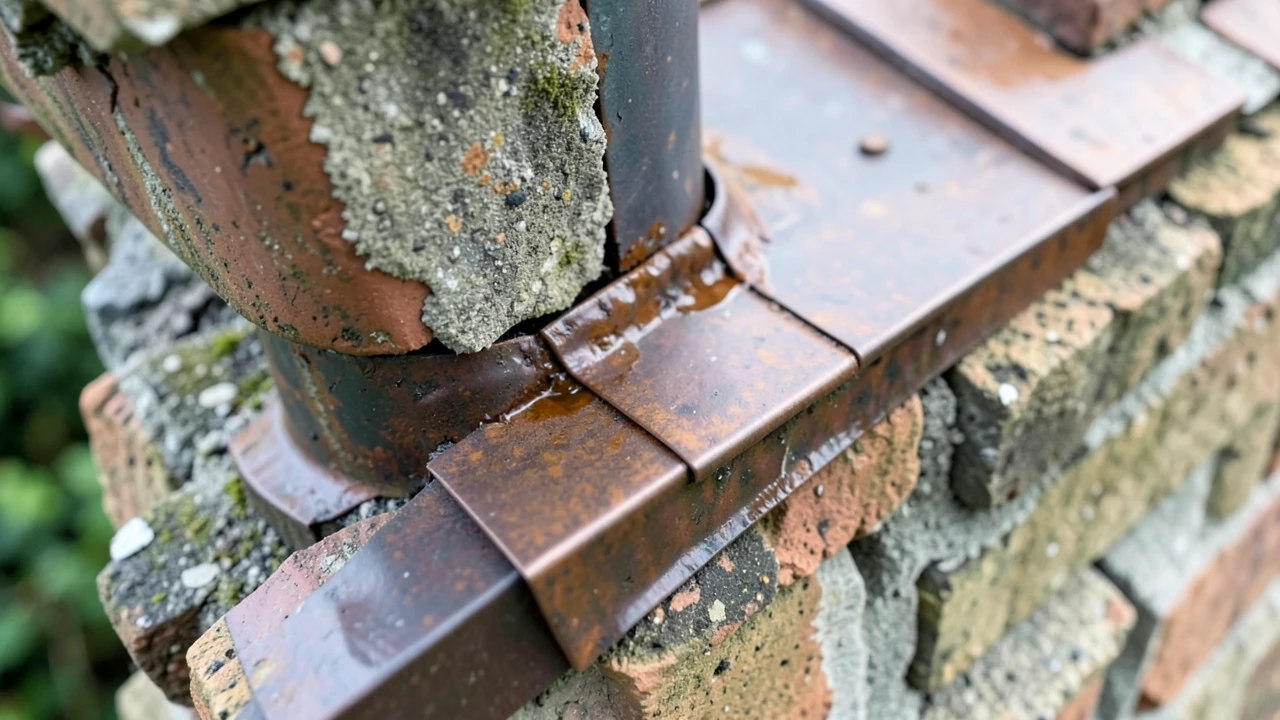
Many homeowners assume that if they see a visible leak stain on their ceiling or an active drip inside the attic, the problem must be directly above it-a punctured shingle, perhaps. While those failures happen, I want to draw your attention to the true culprit: the flashing. Flashing refers to the specialized metal pieces (copper, aluminum, galvanized steel) that are installed around any area where two different materials or planes meet. Think about a chimney stack going through a pitched roof, or an HVAC vent exiting near a brick wall-these junctions require careful sealing because they represent structural discontinuities.
These joints are structurally critical and often overlooked until the damage is already done. Water doesn't just 'leak'; it follows the path of least resistance. Flashing joints, especially those exposed to the extreme thermal expansion and contraction cycles characteristic of Texas heat, become these perfect entry points. The metal expands in the blistering summer sun and contracts sharply during cold fronts. Over time, this constant movement stresses the sealant materials that were put there decades ago.
Imagine trying to keep a garden hose connection perfectly sealed across years of temperature swings-eventually, even if you use the best caulk, the joint weakens. That small, seemingly insignificant failure allows massive waste (or in our case, water) over time. If this water penetrates past the outer layer and drips down into your attic or wall cavity, the damage shifts from a simple leak to something far more serious. We are talking about secondary damage: mold growth inside structural walls that is difficult and expensive to remove, rot setting in structural beams, and even compromising the integrity of the foundation itself-costs exponentially higher than simply fixing the joint.
Understanding the Science of Water Intrusion: It's Not Just About Shingles
A common misconception I encounter is that a roof leak means the shingles failed. While shingle failure can be the cause, it is often merely the visible manifestation of an underlying issue at the joints. When we talk about complex roof flashing joints, we are referring to specific high-stress areas. These aren't simply rectangles; they involve transitions-like where a flat metal parapet wall meets a sloped shingled area, or where various intersecting chimney stacks meet the main roof plane.
These junctions require specialized techniques and materials far beyond what basic caulk application can provide. The failure modes are multifaceted:
- Deteriorated Sealant: The initial sealant has dried out, cracked, or been compromised by excessive UV exposure.
- Improper Installation: This includes poor overlap (the metal pieces aren't layered correctly), or failing to account for the vertical movement of the structure itself.
- Physical Damage: Hail impact or debris from high winds can punch through both the flashing and the sealant layer, creating a direct entry point for water.
It is absolutely crucial that we diagnose the source immediately. If I only patch the drip point-the wet spot on your interior ceiling-without fixing the compromised joint at the exterior flashing, the leak will inevitably reappear, perhaps three feet away or two months later. As James Albright, my signature perspective is always this: a building's roof is the first line of defense; understanding its foundational weaknesses prevents catastrophic failures down the road. We must find where the water enters, not just where it drips out.
The Expert Sealing Solution: How James Albright Approaches Flashing Integrity
This brings us to the solution, which is far more systematic than simply applying a tube of caulk. An expert sealing solution for complex roof flashing joints is a rigorous process that moves through three distinct phases: diagnosis, advanced material application, and structural reinforcement. It’s not just about a product; it's an entire protective strategy designed for the unique demands of Pleasant Grove weather cycles.
Our diagnostic phase involves inspecting every single joint with specialized tools-moisture meters to detect hidden dampness before any visible leak appears, coupled with meticulous visual inspections of all metal transitions and sealant lines. We are looking for weakness that hasn't even caused a drip yet.
Next, we deploy advanced techniques utilizing materials designed to withstand our region’s harsh environment. This includes custom-fabricated copper or galvanized flashing-and we also recommend specialized roof coatings-which offer superior longevity compared to standard metals, combined with modern, durable polymeric sealants. These specialized sealants are formulated not only for waterproofing but also specifically to handle extreme Texas temperature swings (from intense heat to sudden cold snaps) and persistent UV exposure without breaking down prematurely.
I recall a job near Cedar Crest where the visible leak was minor, but our moisture meter detected consistent dampness behind an adjacent vent stack-a clear sign of deep joint compromise. By addressing this hidden weakness through specialized flashing reinforcement, we prevented what would have been a massive structural issue later on. I like to share that simple anecdote because it proves that finding these underlying vulnerabilities is where the real value lies.
Now, let's address your potential objection: cost and disruption. A thorough diagnostic inspection might feel like an added expense upfront, but viewing it this way is incorrect. It is not an expenditure; it is an investment in preventing catastrophic future costs. Avoiding mold remediation, structural beam replacement due to rot, or foundation stabilization after a major storm-these preventative measures save you tens of thousands of dollars and the associated nightmare of disruption.
When Flashing Failure Signals Bigger Problems: Beyond Just a Patch
Finding compromised flashing joints often means that other components of your roof system are under stress as well. The initial failure point is simply the weakest link, but it alerts us to potential systemic issues like underlying decking wear or secondary drainage pathway clogging. We must adopt an approach focused on investing in protection, rather than merely executing a temporary repair.
This leads me to the importance of preventative maintenance scheduling. Given our region's susceptibility to major regional storms and intense heat cycles, I strongly encourage proactive inspections-especially if you notice visible signs like stained fascia boards, bubbling sealant, or any discoloration around vent pipes that wasn't there before.
If you suspect a problem, do not wait for a massive leak or the appearance of mold; call an expert to assess the integrity of your vulnerable joints. We are highly familiar with the specific weather patterns and building types found throughout Pleasant Grove, making us uniquely qualified to predict where failure is most likely to occur. For example, homes built on varying elevations require different flashing seals than those in more flat-lying areas like some sections near Bishop Arts.
We approach this service not as a contractor selling materials, but as an expert concerned with your home's longevity. Our goal is always peace of mind. We provide clear action plans and comprehensive options so you know exactly what to expect before any work begins.
Securing Your Home's Shield Against Texas Weather Cycles
Ultimately, the purpose of roofing-and specifically addressing flashing integrity-is not just achieving a state of dryness; it’s about structural longevity and protecting your family's most valuable asset: their home. We aim to provide you with a reliable shield, or what I like to call a "rain curtain," that keeps the elements out, no matter how intense the Texas weather cycles become.
To summarize our value proposition: Our service offers expertise that goes far beyond simply looking at the visible surface. We protect your home from the hidden damage caused by compromised joints-the kind of damage requiring expertise in high-quality roofing materials and service.
If you are currently feeling anxious about unexpected leaks or storm damage, please know there is a simple first step you can take to regain peace of mind: book a non-invasive inspection. There is zero risk in assessing the vulnerability of your joints. We treat your property like our own-quick cleanup, respected timelines, and zero mess left behind for your busy family.
We are here to help secure that shield for your Pleasant Grove home. Call us at +1 469-589-3827 today for a consultation, and let's talk about building lasting structural protection against the elements.