
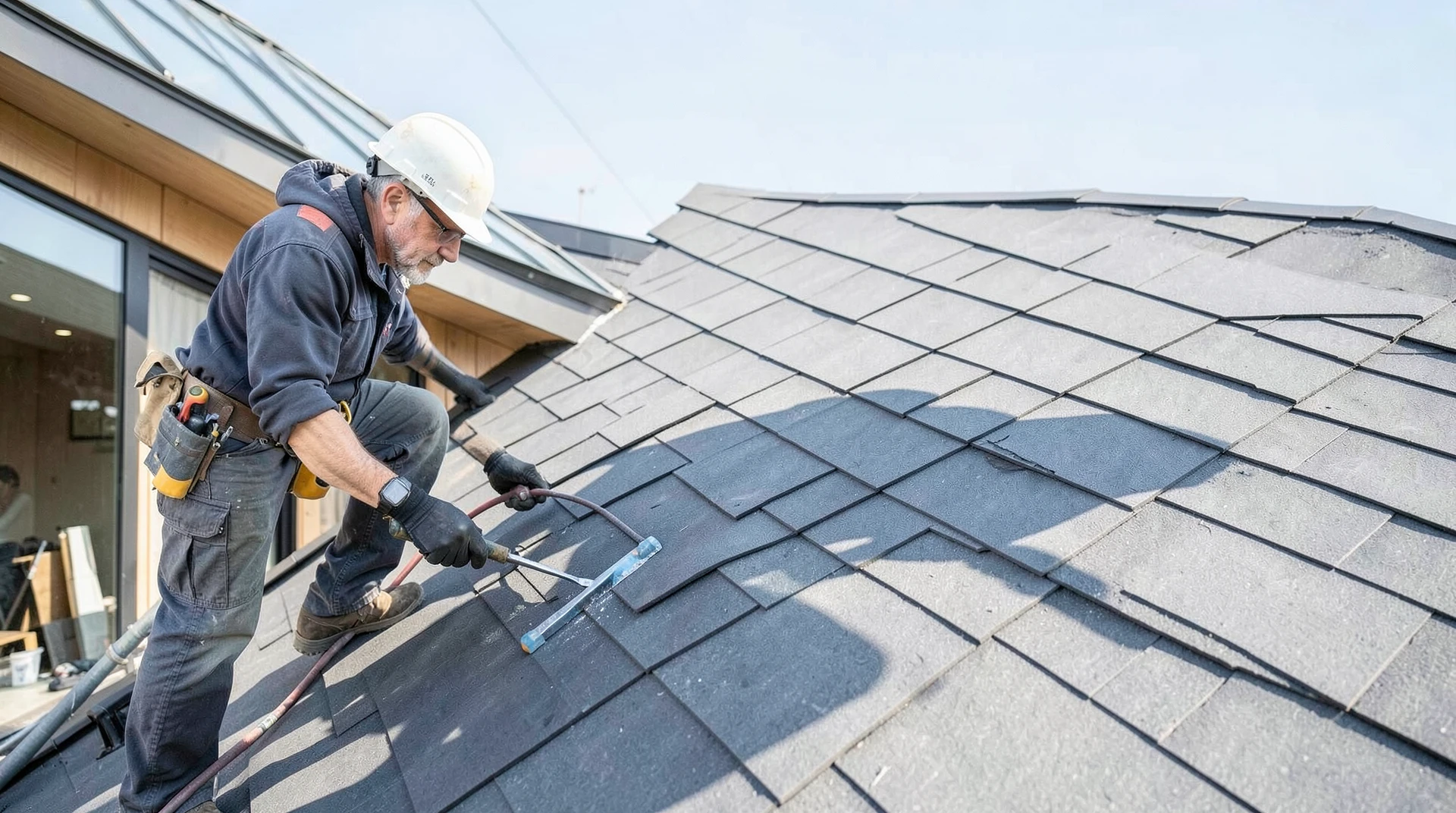
Buying a new home is exciting. You’ve spent time picking out paint colors, arranging furniture, and imagining your life in this beautiful Pleasant Grove setting. It feels like the perfect start-a safe haven built to last. But here’s a truth I want to share with you as someone who has been working on roofs across DFW for nearly two decades: just because a home is new doesn't mean it's immune to issues. In fact, sometimes, the very act of building and settling creates hidden vulnerabilities that need professional attention right away.
I’m James Albright, and my passion lies in understanding how moisture interacts with structure-and believe me, water finds every crack, no matter how tiny. Many homeowners assume that once the shingles are down, the job is done and they can relax for decades. That assumption, while understandable, overlooks a critical phase: the foundational settling period. This initial time requires diligent preventative roof care for new construction homes. Think of your roof not just as a layer of materials, but as the primary shield for everything inside-the foundation, the ceilings, and your peace of mind. Ignoring minor early signs can lead to exponentially larger and far more expensive structural problems down the road.
Beyond Appearance: Identifying Structural Vulnerabilities in New Builds
When you look up at a brand-new roof, it might appear flawless from the ground. But when we are on the ladder, what we see is a complex assembly of materials-and complexity means potential weak points. The biggest danger in new construction isn't usually the shingles themselves; it’s where those shingles meet something else.
Let me talk to you about flashing, for example. Flashing refers to those specialized metal pieces that are installed around any point where a vertical element penetrates the roof plane-think chimney stacks, plumbing vents, or even the transitions where your house meets an attached garage. These flashing materials are absolutely vital because they act like tiny water dams. If they aren't perfectly sealed and installed with careful attention to detail, they create what we call "hidden leaks." A homeowner might not see a drip down the wall, but those micro-gaps around improperly sealed metal flashing can allow moisture in over time, leading to rot that starts deep inside your structural components.
Another area of concern is ventilation. A roof needs more than just shingles; it requires proper breathing room. Your attic space and underlayment need adequate venting-this allows excess heat and moisture from the house to escape. If this airflow system isn't robust, trapped moisture can condense beneath the roofing materials, accelerating material decay and weakening the entire system prematurely.
I remember working on a beautiful new home over near Pleasant Grove just a few years ago. The initial inspection was fine, but we noticed mineral staining around a particular chimney stack. While it looked cosmetic, I had an instinct telling me something was off. We excavated slightly and found that the caulk used to seal the flashing transition hadn't been applied correctly-it had created a tiny, persistent channel for water intrusion. That small imperfection, invisible until we went digging, was what prevented potential structural damage from escalating into a major headache years later. Understanding the nuances of construction can be tricky, and for more specific information, you can find details on roofing processes.
Building a Shield: Foundational Steps for Preventative Roof Care
This section is the core of what I want to emphasize regarding preventative roof care for new construction homes. We need to treat this initial period-the first 1-5 years of occupancy-as a critical "tune-up" phase. It’s not optional; it's necessary maintenance that protects your investment.
The most important action you can take is scheduling professional post-construction inspections. I mean detailed assessments-not just a walk-around glance. We are looking for microscopic cracks, minute settling gaps, or areas where materials have stressed slightly due to the house settling into its final position. Standard owner inspection simply cannot find these issues; it requires specialized knowledge and tools to assess the integrity of your underlayment and flashing seams.
Next up: proactive cleaning methods. Construction debris is a major culprit. Gutters, downspouts, and drainage systems must be kept meticulously clear of everything-from construction sawdust (which can clog drains) to natural fallout like pine needles or leaves. When these systems get blocked, water has nowhere to go but up or sideways, putting immense stress on the roof structure and accelerating decay.
Finally, we have to talk about proper drainage management. It's not enough for water just to leave the gutter; it must be directed safely away from your foundation. We check downspout extensions to ensure they are properly routed, often requiring them to direct water several feet away from the house’s perimeter. Directing runoff toward the foundation is a recipe for subterranean moisture issues and potential basement leaks-an issue that makes preventative roof care absolutely paramount.

Understanding Your Roof's Defense System: Materials and Longevity
When people talk about roofing materials, they often focus solely on cost comparison, but I urge you to shift your mindset from viewing it as an expense to seeing it as an investment in longevity. This is especially true when dealing with the harsh elements of Texas-the intense heat cycles, sudden hailstorms, and high winds.
We need to understand that a roof isn't just one product; it’s a system. The system includes the shingles (or metal panels), the breathable underlayment beneath them, the flashing seals, and the ventilation system working together in harmony. If you upgrade only the shingles but neglect the poor drainage or substandard venting underneath, you haven't made an improvement-you've just put a pretty coat of paint on a structural problem.
Consider durable materials like Class 4 asphalt shingles or high-quality metal roofing. These are not inherently "better" by themselves; they are superior because they contribute to the longevity and structural protection of the entire system against severe weather cycles. For example, proper ventilation allows the roof assembly to breathe during extreme heat, which dramatically reduces thermal stress that could otherwise lead to premature failure.
Here is a quote that always comes back to me: "A truly lasting structure is one that anticipates failure, not just survives it." That philosophy has to guide our approach to preventative roof care for new construction homes. It means looking past the visible and inspecting the unseen-the underlayment, the flashing, the vents.
Building Your Blueprint for Lasting Peace of Mind
The goal of all this detailed inspection isn't to generate fear or unnecessary costs; it is to give you a clear roadmap-a preventative action plan. My job, and the role of any trustworthy local contractor, is to provide that clarity while addressing the anxiety that comes with large, unexpected bills. When we find an issue, I don’t just point at it and say, "You need this." Instead, I explain why it failed (the root cause) and what steps are necessary to prevent that failure from ever happening again.
We understand the stress of disruption in your new home. We treat your property like our own-quick cleanup, respected timelines, and absolutely zero mess left behind for your busy family. Transparency is key. You deserve a detailed breakdown that explains not just what needs fixing, but why.
If you've recently moved into a beautiful new home in the Pleasant Grove area, or any surrounding neighborhood like Cedar Crest or Lakeside, please don't let the initial excitement overshadow necessary structural checks. Don’t wait until you see visible signs of water staining on your ceiling; that means the problem is already deep within the structure.
If you are concerned about the foundational health of your new roof, I strongly recommend scheduling a complimentary "peace of mind assessment." It's not a sales meeting; it’s an expert inspection designed to give you peace of mind and ensure that your investment remains protected by the best possible system. You can reach me directly at +1 469-589-3827 or visit us at 229 Greenhaven Dr, Pleasant Grove, TX 75217. Let's make sure your beautiful new home is shielded properly, from day one.