
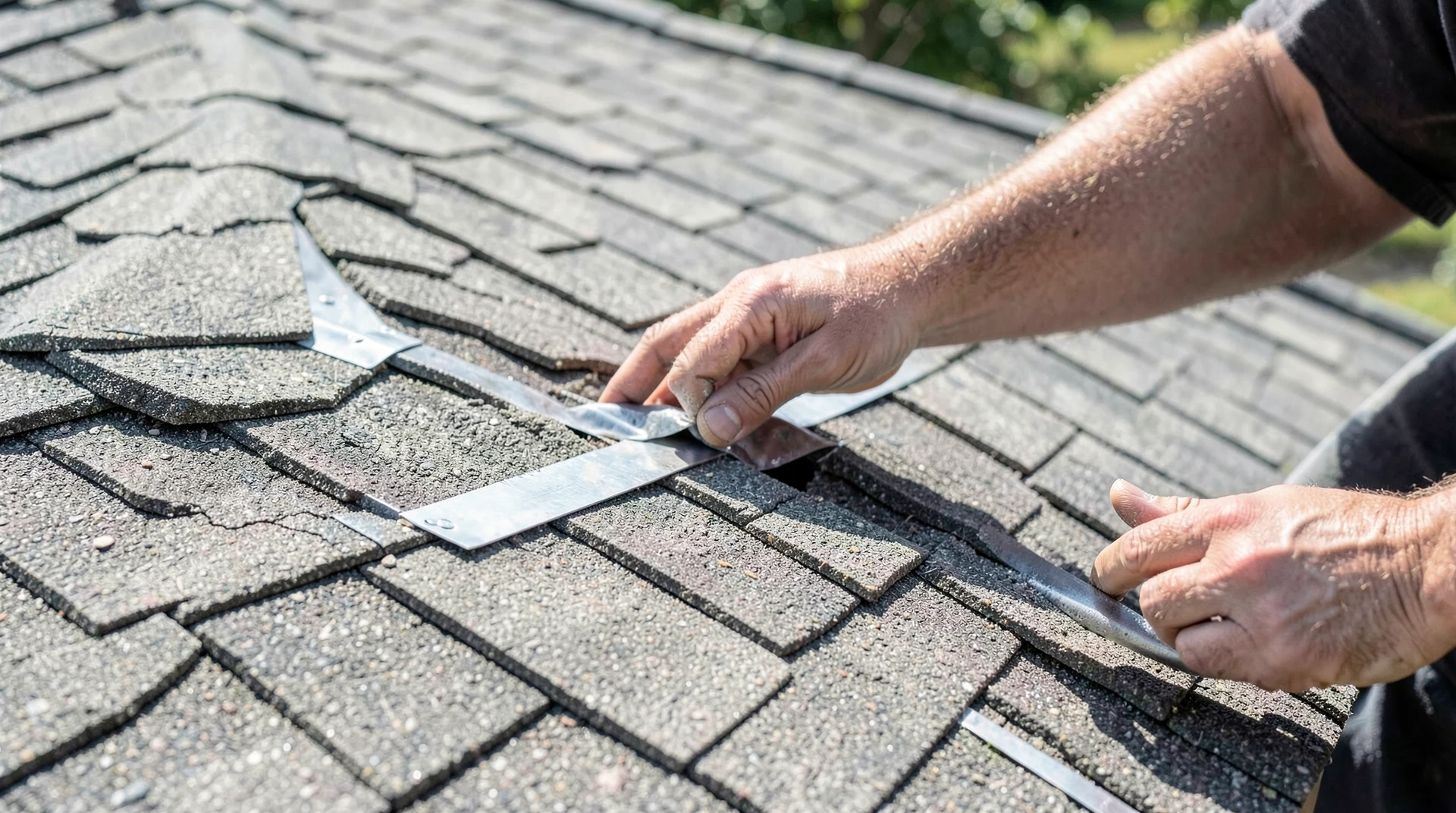
Finding an active leak-especially one dripping inside your home-is genuinely alarming. It triggers that immediate sense of panic: How bad is it? What do I do right now? When water appears where the roof meets a chimney, vent, or transition area, you are dealing with flashing failure, and time is not just money; it’s structural integrity.
As a roofer who has spent nearly two decades on every kind of roof across the DFW metroplex, I can tell you this: these leaks need immediate attention. You don't want to wait until the stain is massive or the drywall is sagging. Understanding the quickest way to stop active flashing water leaks isn't just about patching a hole; it’s about managing an emergency and preserving your home's foundation. We approach this topic not as a job, but as protecting your family's biggest investment-your home in Pleasant Grove.
When a Leak Appears: Immediate Steps for Active Flashing Water Damage
When you see water dripping, the first thing we need to do is manage the panic, because that anxiety can make it impossible to think clearly about what needs to happen next. Remember, every homeowner wants an immediate fix, but stopping the leak requires careful safety assessment before any repair work begins.
Stop, Don't Panic: Safety First
Your absolute first priority must be personal safety. If water is leaking near electrical fixtures or visible wiring, treat it as a potential electrical hazard. Do not touch standing water. Safely contain the water inside your home-using buckets, towels, or tarps-to keep the damage contained and trackable. This temporary measure buys you crucial time.
Understanding the Urgency of Active Leaks
It is vital to understand that active leaks are never just cosmetic; they signal ongoing, exponential structural risk. The water isn't just dripping on your ceiling; it’s running under your house structure. Within hours, this steady drip can saturate insulation, soften wood framing members (causing rot), and create the perfect breeding ground for mold. This is why finding the quickest way to stop active flashing water leaks is paramount-we are mitigating damage in real time.
Temporary Mitigation Tactics
While we await a professional assessment, temporary fixes are only band-aids. We recommend placing catchments (buckets or tarps) directly under the leak point. For internal damp areas, using dehumidifiers can help slow mold growth and keep the structure dry while the exterior work is planned. However, if you see water pooling outside, do not attempt to climb onto the roof yourself; this is where accidents happen.
The Role of Speed in Preservation
The passage of time directly correlates with the severity of damage. Every hour a flashing leak is allowed to continue allows saturation deeper into wooden joists and structural sheathing. We need to move quickly because every delay increases your risk profile for rot, mold remediation, and compromised roof structural integrity check results down the line.
Decoding Flashing Failure: Why Your Roof’s Weakest Point Is Often the Joint
To effectively stop a leak, you first have to understand why it's leaking. Most homeowners assume that if the shingles are mostly intact, the roof is safe. Unfortunately, this overlooks the most common failure point: the flashing itself.
What Exactly is Flashing?
Flashing refers to thin sheets of metal (often copper, galvanized steel, or aluminum) installed around penetrations-any place where something passes through the main roofing plane. Think of it as the roof’s internal beltline or water curtain. This crucial material wraps around chimneys, vents, pipes, and transitions between different roofing materials. If this shield fails, water finds the path of least resistance and enters your home undetected until it's too late.
How Does Flashing Fail in Texas Weather?
The extreme climate cycles we experience here in Pleasant Grove-the intense heat, followed by rapid temperature drops, combined with occasional severe storms-put immense stress on these joints. Common failure mechanisms include:
- Metal Fatigue: Constant expansion and contraction from extreme heat cycling causes seams and seals to weaken over time.
- Ground Movement: Shifts in the soil or foundation can pull away flashing components that were once perfectly sealed.
- Poor Installation: Sometimes, the initial leak wasn't due to age, but an imperfect seal during construction decades ago.
- UV Exposure: Years of intense Texas sunlight degrade sealant materials and metal coatings, making them brittle.
The Diagnosis Challenge: Where Water Hides
The biggest challenge with flashing leaks is that water doesn’t follow gravity; it follows the path of least resistance under visible elements. A leak might appear in your bathroom ceiling because the failure happened a foot away at the chimney base. Only specialized flashing leak detection service and trained eyes can pinpoint the exact entry point, making an accurate assessment critical before we talk about the quickest way to stop active flashing water leaks.
Flashing vs. Shingles: Knowing the Difference
It's important to differentiate between a general problem (like curled or cracked shingles due to age) and a targeted structural failure at a penetration point. While shingle wear requires repair, flashing failures require specific metalwork, sealant reapplication, or sometimes entirely new counter-flashing-a much more targeted and complex solution than simple asphalt patch work.
The Professional Solution: Repairing Active Flashing Leaks From the Exterior
Once we have successfully diagnosed the entry point, our focus shifts from damage mitigation to permanent restoration. This phase requires specialized tools, knowledge of waterproofing science, and physical labor that goes far beyond a standard repair crew.
Immediate Containment Techniques on Site
When arriving at an active leak site, our technicians first implement immediate containment measures. This might involve applying temporary, high-grade commercial sealants or installing temporary flashing tapes over the compromised area. These are purely stopgap measures designed to slow the water intrusion until we can safely perform the permanent repair and ensure your home is dry again.
The Permanent Fix: Materials That Last
A true permanent fix requires selecting materials engineered for decades of North Texas weather. We often utilize:
- Copper Counter-flashing: Copper is highly durable, resistant to corrosion, and provides a robust shield beneath the main flashing layer. It’s an investment in longevity.
- High-Grade Sealant Reapplication: Using specialized polyurethane or modified bitumen sealants that are designed to flex with extreme temperature changes.
- Metal Patch Work: Precisely cutting and installing new sections of metal flashing where the original material has fatigued or corroded.
Beyond Patching: The Holistic Approach
We don't just patch the visible crack; we address the entire perimeter. As I often tell my clients, while our primary focus is stopping the leak, the true solution involves securing the entire flashing perimeter. If adjacent areas are showing signs of weakness-say, a nearby vent that hasn't been inspected in five years-we proactively strengthen those spots to prevent recurrence from neighboring weak points.

Knowing When a Repair Isn't Enough
This is where expertise matters most. We must educate homeowners on the difference between a localized fix and systemic failure. If multiple flashing points are failing, or if the underlying substrate (the wood sheathing) has begun to show signs of rot due to years of water saturation, simply replacing the metal won't solve the problem. The repair must be part of a larger system upgrade-potentially requiring roof deck replacement alongside the flashing work.
From Leak Mitigation to Long-Term Shielding: Is It Time for Roof Replacement?
It is natural to focus only on the leak in front of you, but we need to look at the bigger picture. Understanding if your current structure needs a full overhaul requires looking past the immediate crisis and assessing the roof's overall health.
Understanding Symptoms vs. Cause
A recurring minor leak near one flashing point could be an isolated incident, or it can be a symptom of something much larger: the roof nearing the end of its expected lifespan (which generally falls between 15 to 25 years, depending on material and maintenance). If leaks are constant, if multiple points are failing in short succession, or if you notice widespread discoloration, those symptoms point toward systemic fatigue.
The Cost Conversation: Avoiding Future Catastrophe
I know that the thought of a full roof replacement is intimidating-it's a major expense. However, I want to preemptively address cost anxiety by showing you the alternative: ignoring small fixes now leads to massive, unpredictable structural costs later. A seemingly minor leak today could lead to mold remediation, expensive rot repair on load-bearing beams, and potential HVAC system damage in five years. Proactive maintenance is always cheaper than reactive emergency response.
Material Selection for Pleasant Grove
When the time does come for replacement, choosing the right material is key, especially here where we deal with intense seasonal variability. We recommend evaluating options like:
- Impact-Resistant Shingles: Designed to better withstand local hail and wind damage.
- Standing Seam Metal Roofs: These are incredibly durable, low-maintenance shields that offer superior longevity against both heat cycling and physical impact.
The Importance of the Comprehensive Inspection
Before we commit to any repair or replacement quote, we insist on a comprehensive roof inspection. This process allows us to see every potential weak point-the ones you can't even see yet-and ensures we don’t get caught off guard by an adjacent failure point. For comprehensive assessments like these, we can provide expert guidance on everything from general maintenance to specialized services like professional roofing in Cockrell Hill, TX.
Securing Your Home’s Foundation: Vetting Contractors After an Emergency
Dealing with a leak is stressful enough; having to vet a contractor while you're stressed adds another layer of anxiety. You need someone who doesn't just sell materials, but sells peace of mind and proven reliability.
The Trust Factor: How to Pick the Right Partner
When dealing with emergency roof repair Pleasant Grove TX, always verify legitimacy. Check local Pleasant Grove references and ensure they are fully licensed and insured. A trustworthy contractor will be transparent about their process, not just their price. They should have a clear plan for leak detection that minimizes disruption.
What to Look for in an Estimate
Never accept a vague estimate. A professional, ethical quote must include:
- Detailed Scope of Work: Listing exactly what materials (by brand/grade) and labor hours are included.
- Breakdown of Costs: Separating material costs from labor costs-this prevents "hidden fees" anxiety.
- The Clean-up Process: A clear statement on debris removal, timeline management, and site restoration is non-negotiable for a modern home.
Warranty Clarity: Protection You Can Trust
Always ask two questions regarding warranties: First, what is the material warranty (coverage on the shingles/metal itself)? And second, what is the workmanship warranty (guaranteeing that the labor was done correctly and will hold up)? A dependable company like ours will walk you through both of these clearly.
The Clean Finish Promise
A professional service means minimal disruption to your life. We commit to quick cleanup, respecting your family's schedule, and ensuring zero debris is left behind after our time on site. Our goal is that when we leave, the only thing you notice is a dry, secure roof-a shield that works flawlessly for years to come.