
Flashing & Chimney Flashing Repair Warranty Details: Why This Small Component is Your Roof's Biggest Weak Point
I know what it’s like to walk into your home after a heavy storm-or sometimes just on a random Tuesday-and spot that suspicious stain. Maybe it’s a damp patch forming on the ceiling in the laundry room, or perhaps you notice streaks of discoloration running down the exterior fascia board near your chimney. Your immediate reaction is probably anxiety: Is the roof leaking? Is this going to cost an absolute fortune?
Learn more about why homeowners choose Rock Line Roofing.
Before you panic and call three different contractors with alarming price quotes, take a deep breath. I’ve spent nearly two decades working my hands on every type of roof across DFW, and I can tell you that spotting water damage is not an immediate disaster-it’s usually a sign that a specific, critical component needs attention. Leaks are manageable, but they require proper diagnosis.
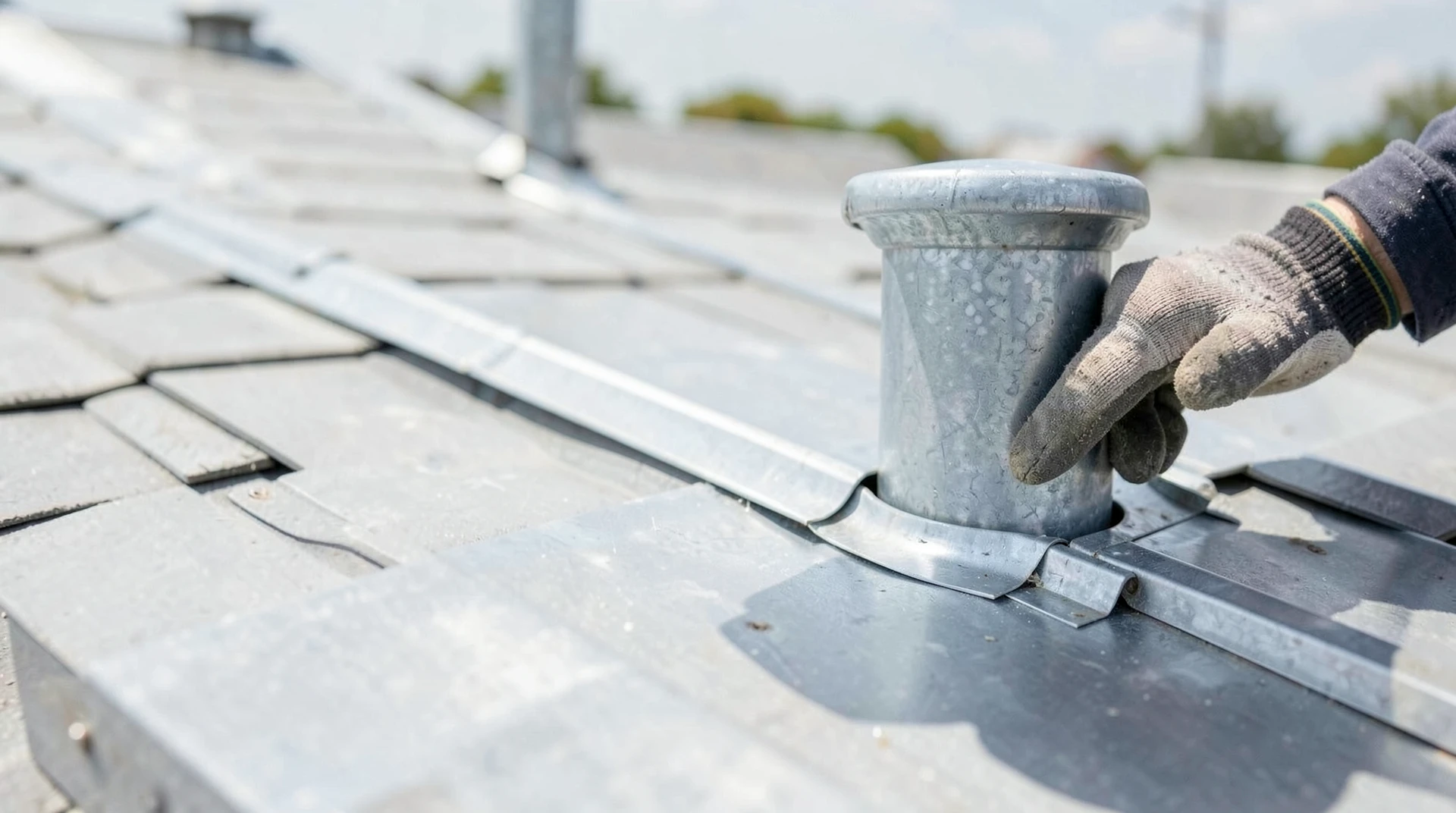
The biggest culprit for unexpected leaks in established Pleasant Grove homes isn't always the shingles; it's often the points where materials meet. It’s the flashing. To put it simply, while your asphalt shingles act like a vast rain curtain across the main roof plane, all those necessary penetrations-like chimneys, vents, and gutters-are structural weak points. Flashing is the specialized metal shield that wraps around these intrusions to keep water out. If that shield fails, the water finds its way in.
Addressing this requires more than just a quick patch job; it demands an understanding of what truly constitutes proper flashing & chimney flashing repair warranty details. We aren't just selling repairs; we are restoring your structural peace of mind.
Beyond the Shingles: What Flashing Failure Really Looks Like
When most people think "roof leak," they picture a missing shingle or curled edge. But I’m here to tell you that when it comes to chimneys, the problem is often hidden in plain sight-or rather, behind the visible components.
Flashing failure rarely looks like an obvious hole; it usually manifests as slow degradation over time. Here are the most common ways these critical metal shields fail:
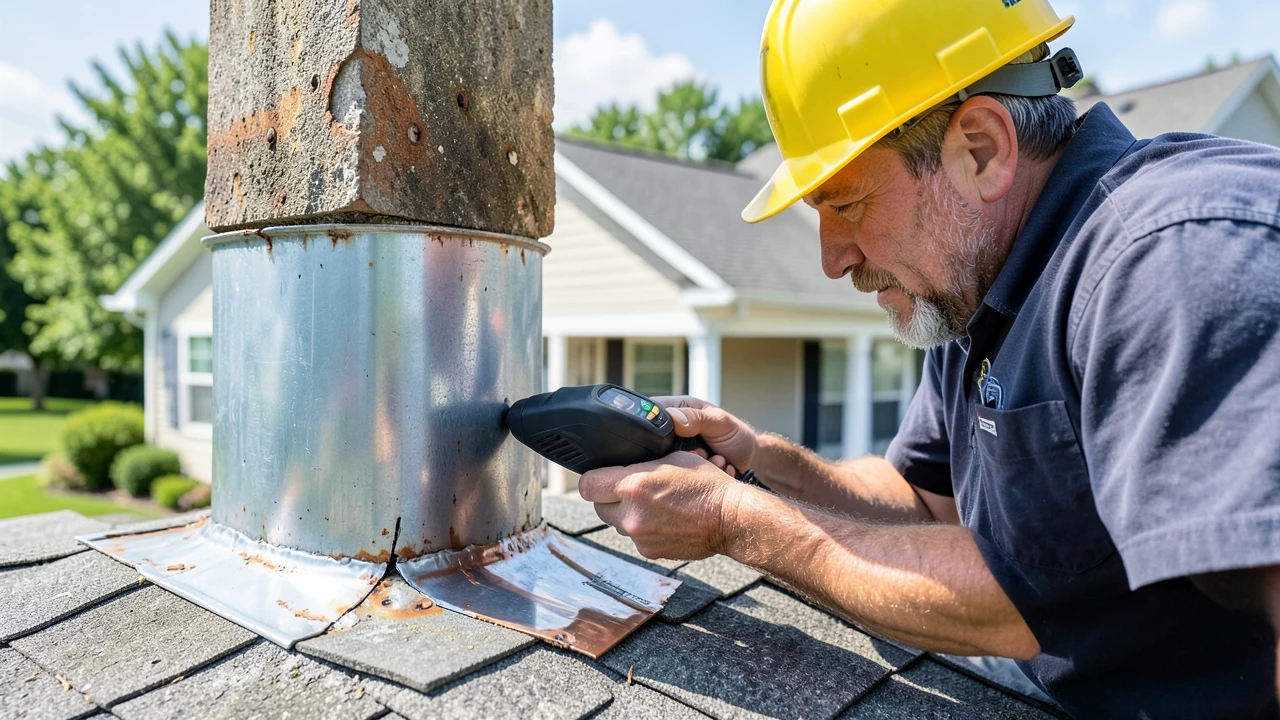
- Corrosion and Rust: Over years of exposure to Texas heat cycles and moisture, the metals (especially older copper or galvanized flashing) can begin to degrade, forming rust spots that compromise their seal.
- Sealant Degradation: Flashing relies heavily on specialized caulking and sealant around its edges. These polymeric materials are designed for a finite life; UV rays, temperature shifts, and constant moisture will eventually crack them open, creating pathways for water entry.
- Improper Overlap/Integration: A common installation flaw is poor integration where the flashing meets other materials-like where it butts up against shingle layers or around a chimney stack. If that overlap isn't perfect, water can get trapped and seep underneath over time.
- Structural Movement: Houses settle, seasons shift, and structures expand and contract. This constant movement stresses the rigid metal flashing, causing lifting or cracking at connection points.
This is why diagnosis is everything. A visible stain on your ceiling could be caused by a structural issue five feet away that you can’t even see yet. We don't just assume where the leak started; we use advanced roof leak detection service techniques-sometimes including thermal imaging or moisture meters-to pinpoint the exact source of water ingress, whether it's surface damage or deep internal compromise.
A comprehensive assessment covering flashing & chimney flashing repair warranty details must check multiple layers: the metal itself, the integrity of the sealant, how well it overlaps other materials, and even the underlying structure connecting everything together. Our goal is to find the root cause, not just treat the symptom.
Anecdote: I remember working on a beautiful older home near Pleasant Grove where the homeowner was worried about a tiny leak he saw in his basement corner. He thought it might be plumbing, but after running some diagnostic tests and examining the chimney flashing-which looked perfectly fine to the naked eye-we found that the sealant had cracked due to underlying wood movement. The water wasn't coming from a crack; it was following a hairline fracture across an old joint. That’s why we prioritize deep inspection.
From Damage Assessment to Durable Repair: The Process
Once we have pinpointed the exact failure point-say, a deteriorated flashing apron around a chimney chase-we move into the repair phase. I need to address the biggest fear right away: Will this be a temporary fix?
The short answer is no. A true structural leak requires more than just applying caulk over the crack; it requires robust material replacement. We follow a philosophy of removing compromised materials entirely and installing resilient, modern solutions. Depending on your property's age or style, this might mean upgrading to high-grade copper flashing for historical charm, or utilizing advanced galvanized metals designed to handle intense Texas weather cycles.
When planning the repair process, I always want you to feel completely informed about what is happening and why we are taking these steps. This includes discussing the entire scope of work because a temporary fix undermines any flashing & chimney flashing repair warranty details we might offer you later. We must ensure that the underlying structure is sound before we seal it up again.
Regarding disruption, I understand that having contractors on your property can be stressful. My team and I are committed to minimal mess, quick organization, and respecting your schedule. We treat your Pleasant Grove home like our own-that means clear communication about timelines and a detailed cleanup plan afterward. If you're curious about the longevity of these materials, knowing how long does flashing last on a roof depends on proper installation and maintenance, which is why we focus on durable methods that extend service life far beyond minimal patching.
Making Sense of Guarantees: Understanding Flashing Repair Warranties
This is arguably the most important section because it's where most homeowners get confused. When contractors talk about warranties, they often throw out technical jargon that can make you feel overwhelmed or even suspicious. Let’s simplify this. A good guarantee must be clear, written, and comprehensive.
You need to understand two distinct types of warranty:
- Material Warranty: This covers the product itself-the flashing metal (e.g., "This copper sheet is guaranteed against premature corrosion for 25 years"). This comes from the manufacturer.
- Workmanship Warranty: This covers how well we installed the material. It guarantees that the labor was done correctly, using industry best practices and quality sealants.
When you are discussing flashing & chimney flashing repair warranty details, you need a guarantee that incorporates both of these elements for a defined period. A great contractor won't just give you a piece of paper; they will explain what is covered, what isn't covered (often wear and tear from external events), and how long the policy remains active.
The most crucial part of any warranty, however, isn't printed on glossy cardstock-it’s tied to our reputation right here in Pleasant Grove. A local company that has been building trust for years is far more reliable than a corporate outfit passing through. We stand behind our work because my integrity and the safety of your family are at stake.
To further peace of mind, we can also discuss preventative roof maintenance contracts. These aren't just insurance; they are ongoing inspections designed to catch those tiny issues-like a sealant that is beginning to dry out or a minor piece of corrosion forming-before they escalate into major leaks and structural concerns.
Protecting Your Investment: Proactive Roof Health Checks
I often get asked, "Why should I worry about small things now? Can't I just wait until the next big storm?" My answer, based on two decades of experience, is that waiting is a gamble you don't want to take with your home’s foundation.
Thinking about roof maintenance needs to be reframed: it isn't an expense; it's essential insurance for your property value and structural integrity. A proactive approach saves tens of thousands of dollars in the long run by preventing catastrophic, multi-day water damage inside your walls.
We recommend establishing a routine preventative roof maintenance schedule. While I can’t tell you exactly how often you need to call us (that depends on local weather severity and your home's age), generally speaking, an annual visual inspection is wise, especially if you live in an area prone to intense seasonal storms.
What should you check between professional visits?
- Look at the visible flashing joints for any obvious gaps or staining runoff patterns.
- Check gutters for debris buildup that could trap water and push it back toward the roof structure.
- Keep an eye on surrounding areas-is your fascia board looking unusually damp or discolored near a chimney stack?
Knowing the detailed flashing & chimney flashing repair warranty details is critical, but remember: warranties only cover repairs after failure has occurred. Regular inspections are what keep you from reaching that point entirely. They allow us to address minor signs of distress-a crack in sealant, a slight lift-when they are simple and inexpensive fixes, rather than waiting until the leak turns into a structural headache.
If any of these concerns sound familiar, don't delay. Don't let an unseen failure point undermine the value or safety of your Pleasant Grove home. Call us today for a comprehensive inspection and let’s talk through every detail of what keeps your roof dry and protected for years to come.